

Today in rock history: on this date in 1969, record label Elektra Records who’d had the foresight to sign explosive Detroit proto-punk bands The Stooges and The MC5 decided to sever ties with the latter. After releasing The MC5’s frenzied first album, the classic Kick Out The Jams in February 1969, the label’s headaches began. Many retailers and radio stations shied away from the album due to the expletive that was used as part of the spoken intro for the album’s incendiary title track. The furor led to the label creating an alternate, censored version of the record that didn’t include the offensive word. But that wasn’t enough for local Detroit-based department store chain Hudson’s which refused to stock either of the album’s available versions at all. In response, the band bought a full-page ad in a Detroit underground paper lambasting the store for their refusal to carry Kick Out the Jams. The ad also made reference to the profane word that started the outrage in the first place as well, and included an Elektra Records logo, unbeknownst to the big wigs at the label. In turn, Hudson’s decided to pull all Elektra Records product from its record shelves in refusal to stock anything pressed on the label. Elektra responded by dropping The MC5 from its roster making Kick Out the Jams the only record the band would release for the label. The band, which benefitted from the publicity, found a new home with Atlantic Records and released its their next two albums, 1970’s Back in the USA and High Time from 1971 under the Atlantic umbrella. Trouble was brewing within the band, though, and it soon disbanded but left behind one of the most controversial and talked about rock music episodes thanks to all the drama it inspired.
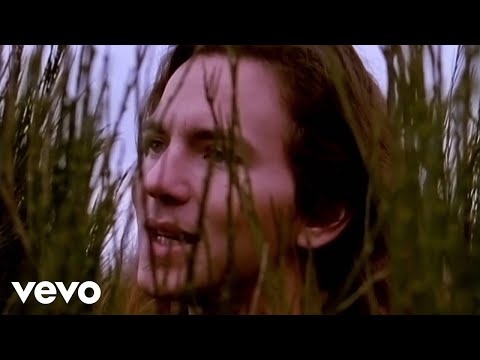
Today in rock history: on this date in 1991, the self-titled album by Temple of the Dog was released. The band was put together by Soundgarden lead singer Chris Cornell whose mission was to create an album to dedicate to his friend and former roommate, Mother Love Bone lead singer, Andrew Wood. Wood passed away in March of 1990 due to a drug overdose. His death rattled the Seattle music scene he’d helped form and brought Mother Love Bone to a halt as they were on the verge of stardom. Cornell organized the band that consisted of Mother Love Bone members Jeff Ament and Stone Gossard, Soundgarden drummer Matt Cameron and guitarist Mike McCready. Eddie Vedder, too, participated in the creation of the album by serving as backup singer for Cornell’s mighty and impassioned wails throughout the record. Hardly a hit album upon its release, Temple of the Dog got a boost in sales a year after its original release date thanks to it being newly marketed as featuring Pearl Jam,a band that would come to include Ament, Gossard, McCready and Vedder. Pearl Jam would rise to fame when its debut album, Ten was released in August of 1991. The newly-found interest in the Temple of the Dog record led to the release of one of its selections, “Hunger Strike” as a single for which a music video was created. The record attracted much more attention the year after its release and climbed as high as No. 5 on Billboard’s pop albums chart and eventually became a million selling record.
R.I.P.
Chris Cornell's death ruled suicide by hanging — Tampa Bay locals react
Today in rock history: on this date in 1974, future worldwide superstar rock band Queen played its very first gig on American soil. Serving as support act for rock and roll veterans Mott the Hoople (with which Queen had previously toured England), the band appeared at Regis College in Denver, Colorado while only having two albums to its credit; their 1973 self-titled debut and their then-current release, Queen II, which had hit record store shelves the week before this historic show. Drawing heavily from both albums, the band went over extremely well and was called out for several encores which is always a rare occurrence for a new, fairly unknown support act. The band’s first U.S. tour was slated as a month-long affair but, sadly, after starting to win over America audiences, had to be cut short when guitarist Brian May contracted a serious illness that forced the band to return home to England in order for him to recover. Within a year, the band would release its breakthrough album, 1975’s A Night at the Opera and would rise to concert headliner status on its own.
WINDY CITY QUEEN
Photos: Queen and Adam Lambert celebrate News of the World's 40th anniversary at Chicago's United Center (w/setlist)
Today in rock history: on this date in 1971, The Rolling Stones released “Brown Sugar,” the first single from its stupendous album, Sticky Fingers, which would come out a week after this single release. While the song was steeped in controversy due to lyrics that reference drugs, interracial sex, sadomasochism and rape, it became a massive hit nonetheless. It’s been alluded that the song was written about Marsha Hunt, the mother of Mick Jagger’s first child. Other sources state the song was actually inspired by Claudia Lennear, a backup singer who was a regular cohort of Jagger’s. Of historic note is the fact that this was the very first of the band’s records to feature the newly launched Rolling Stones label imprint that was created for exclusive distribution of Stones records as well as for other artists of the band’s choosing. The “Brown Sugar” single was also the first record to feature the now iconic tongue and lips logo that’s still so closely associated with The Rolling Stones.
This article appears in Apr 12-19, 2018.