

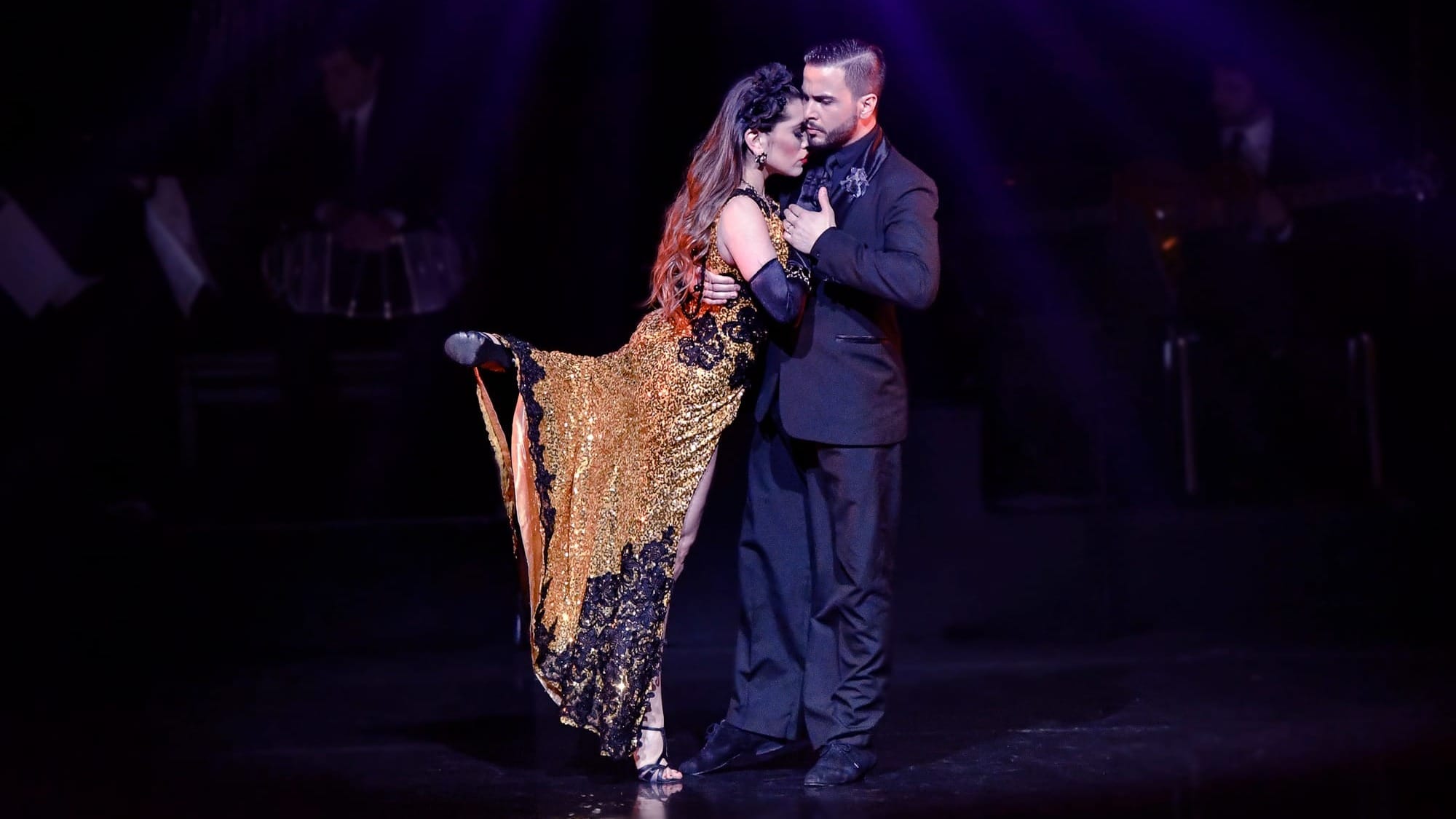
On Sunday, Sarasota was supposed to dance.
Instead, the curtain won’t go up.
Van Wezel Performing Arts Hall has canceled “Tango After Dark,” originally scheduled for Jan. 11, after international artists were unable to secure U.S. visas in time to begin their North American tour. The delay, according to the venue, stemmed from extended administrative processing within the federal visa system—an issue that has increasingly shaped who gets to step onto American stages, and who doesn’t.
This wasn’t a last-minute paperwork slip. The producing company has a long track record of securing visas for the ensemble. But this time, approvals simply didn’t come through in time. Most of the performers were expected to travel from Latin American countries, though the venue said it was not provided specifics on which artists or nations were affected.
For audiences, the immediate impact is logistical: refunds will be issued, and a Sunday afternoon remains suddenly open. But the larger story reaches well beyond Sarasota.
Across the U.S., international touring artists are increasingly colliding with a visa system that moves slowly, inconsistently, and often opaquely. For performing arts organizations—especially those committed to global voices and cultural exchange—the result is a growing sense of uncertainty. You can rehearse for months. You can book the theater. You can sell the tickets. And still, the border can become the final, immovable set piece.
It’s worth sitting with what gets lost in moments like this. Tango, an art form born from migration, diaspora, and cross-cultural exchange, is uniquely shaped by movement across borders. When those borders close—bureaucratically or otherwise—the loss isn’t just a performance. It’s a rupture in the cultural conversation.
The Van Wezel emphasized its regret over the cancellation and thanked patrons for their understanding. That grace is necessary. But so is attention.
Because when international artists can’t enter the country, it isn’t just a scheduling problem. It’s a signal about whose stories, bodies, and traditions are able to circulate—and whose are stalled in limbo.
And that’s a dance the arts community is being asked to navigate with increasing frequency.
Pitch in to help make the Tampa Bay Journalism Project a success.
Subscribe to Creative Loafing newsletters.
Follow us: Google News | NewsBreak | Reddit | Instagram | Facebook | BlueSky
This article appears in Jan. 08 – 14, 2026.