

The secret to longevity is apparently taking a nap in the middle of the day — just ask David Crosby.
“You’ve got to take one at precisely 2:15,” he jokes over the phone, “that’s how you get to be 117-years old.” It’s just past 10 a.m. in Georgia, where the folk-rock icon is preparing for a tour kickoff show at Atlanta’s Symphony Hall. The 17-date jaunt will take him through the middle of December, and he’s got a stop at Clearwater’s Capitol Theatre penciled in for the Sunday after Thanksgiving.
DO THIS: DAVID CROSBY AT CAPITOL THEATRE 11.27.16
The quips about him being older than a century are a little ironic because Crosby — who garnered fame as part of '60s rock supergroup Crosby, Stills, Nash & Young — probably shouldn’t be alive today. The 75-year-old has admitted to trying most every drug under the sun and has not shied away from the fact that he was completely reckless in his heyday. In 1982, he served a nine-month prison sentence on drug and weapon charges. A dozen years later, he was looking death in the face thanks to liver complications related to a long hepatitis C battle. A transplant paid for by Phil Collins saved his life.
“I’m not gonna sit down and goof off or go fishing,” Crosby says. “The contribution I make is the music, and I need to contribute as much as I can.”
He’s talking on the subject of mortality after the deaths of David Bowie, Leonard Cohen, Prince and Leon Russell come up. Health issues made Crosby reflect deeply on what limited time he had left and what he owed the world, and it isn’t just lip service. He’s written two or three sets of lyrics in the last two weeks and tells CL there’s a whole album mostly recorded and sitting on his hard drive. He thinks it’ll be called Sky Trails, and hopes to have it out next spring. Crosby attributes the writing surge to simply being happy about everything from his friends to his family, and especially his marriage. He’s not sure if the influx of lyrics and inspiration will ever end, either.
“I have not found the thing that makes me unhappy,” he says, “I don’t know what to do except just listen to the muse and be grateful.”

The energy is genuine and nearly palpable over the telephone line. It gets amplified when Michael League comes up in conversation. League is the Grammy-winning bandleader and bass player for one of music’s most beloved new jazz collectives, Snarky Puppy. He co-wrote five of the nine tracks on Crosby’s latest album, Lighthouse, and produced most of it, too, adding bass, guitar, percussion and even some vocals along the way. The effort — which can be described as stripped-back, sparse, and just plain raw — clocks in at just 40 minutes, but the pair are clearly good bedfellows, since Lighthouse is being lauded as Crosby’s best solo work since 1971’s If I Could Only Remember My Name.
Crosby promises to bring a lot of the LP to life on this acoustic tour, for which he and League are joined by guitarist/ singer Becca Stevens and keyboardist/vocalist Michelle Willis. The potential for haunting harmonies is limitless, and should bode extremely well for fans who still cling to the CSNY’s glory days.
His relationships with old bandmates are a subject Crosby famously stays away from, but it’s hard to ignore the significance of songs like “Ohio” and “Find the Cost of Freedom” in politically turbulent times like these. He knows there will be some heckling from fans and concedes that he’s been harsh about Trump and his people.
“I’m sure I’ve offended some,” he admits, “but at the end of the day, I have the mic.” And he hasn’t been shy about using it. When pressed on people from his past, he will say that his former girlfriend Joni Mitchell has been incredibly courageous in her recovery from a brain aneurysm. Courage is a subject that begins to anchor the conversation as it turns to the young people across the country protesting in large numbers against the election of you-know-who. What is Crosby’s role in the lives of the newly activated, angry electorate?
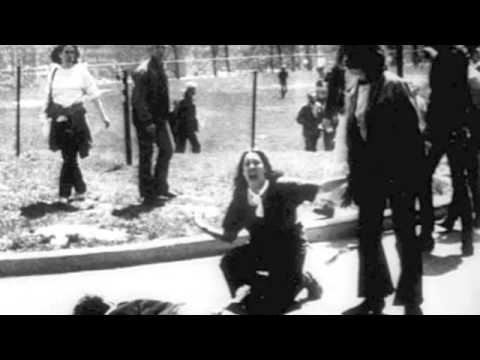
“When you look at the turn of events, I think anybody but rich white guys is looking at a tough time. I feel compassion for these kids and minorities — this isn’t going to be good,” he says. Crosby admits that we’re all very different from each other, but still have to boil things down to common values. Folks must figure out who they are and what they identify with, and while he knows part of his job as an entertainer is to make people boogie and take them on emotional voyages, he also relishes the role of town crier.
“The songs should have content and substance, not just be ‘ooh baby,’” he says, before circling back to the dissent being expressed in the face of a president-elect whose campaign rhetoric has emboldened many to openly express the hateful sentiments they’ve been harboring quietly within.
“We have to openly celebrate the courage the younger generation is showing in expressing their rage and frustration,” he says, “we have to point it out and admire it publicly.” Crosby stops short of offering marching orders or suggesting that new material will be overtly political, but he’s very clear about one thing as time runs out on the interview.
“Come to the show,” he says, “I promise that the songs all speak much better for myself than I do.”
David Crosby plays Capitol Theatre in Clearwater, Florida on November 27, 2016. More info on the show is available at local.cltampa.com.

This article appears in Nov 17-24, 2016.