On any given day, Raymond James Stadium morphs into an electric wall of sound packed with up to 70,000 fans cheering on their favorite sports team or artist. Somewhere in that crowd is a fan who craves the entertainment but can’t take the noise, or a parent who’d love to bring a kid who processes sound differently. What many don’t know is that the building has two sensory rooms: calm, low-stimulation spaces, open to any guest who asks, a short walk from the roar.
That’s a paradox when it comes to accessibility in Tampa Bay right now. The region has spent more than a decade building real infrastructure for disabled residents, from creating sensory rooms to providing adaptive gear for recreational activities. But the burden of finding these resources has been largely left to those in need of these services the most. What’s more, the information often circulates mostly among those already in disability circles, creating an awareness gap that leaves others who would otherwise be interested in such services largely out of the know.
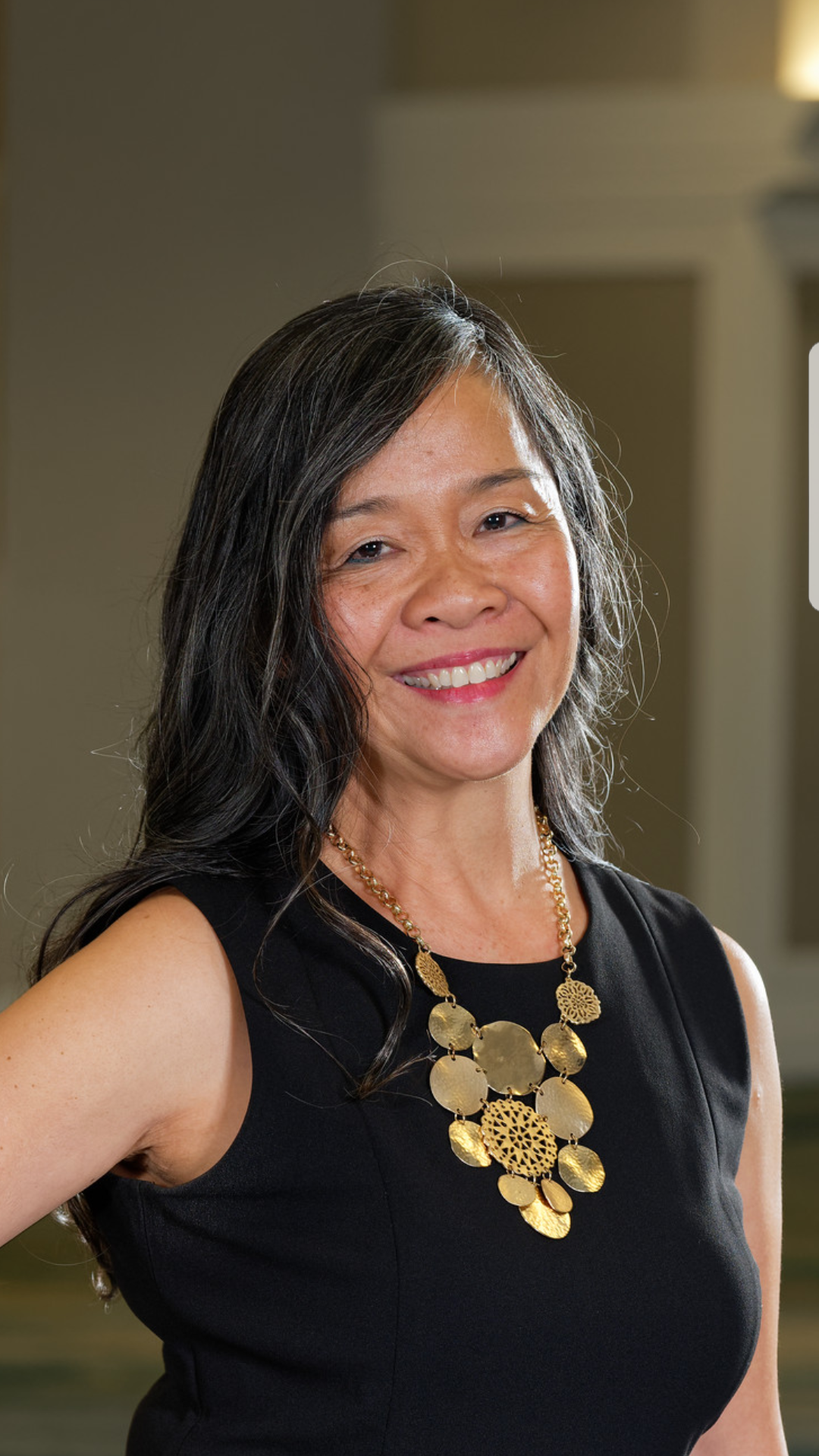
Raquel Pancho, the City of Tampa’s ADA coordinator, has watched that gap up close.

“I think we do a great job at getting information within disability circles,” she says, “but if you’re not necessarily connected with an agency, being able to receive that information is challenging.”
There’s never been a better moment to ask what Tampa Bay actually offers its disabled residents—or a more urgent one. Roughly 13.5% of Floridians—some 2.9 million people—report a disability, and the Bay is in the middle of a growth spurt that keeps drawing more of them here. And as the population grows, so does the list of accommodations ready to meet an array of needs.
Raymond James Stadium is one of the largest venues to offer accommodations with its two sensory rooms on the main concourse—calm, low-stimulation spaces built in partnership with the nonprofit KultureCity, available to any guest who requests access at a Guest Services booth. If you or someone you’re with needs to step out of the noise during a Bucs game or a stadium tour, they’re there. The stadium also offers accessible seating, wheelchair storage, and assistive listening devices.
On the much quieter end, museums across the Bay have become some of the area’s most thoughtful hosts. The Tampa Museum of Art, in partnership with The Center for Autism and Related Disabilities (CARD-USF), runs Art on the Spectrum, an early-entry event on the last Sunday of most months with lowered stimulation, CARD-trained staff, and loaner headphones, sunglasses, and sensory tools for anyone who wants them. The museum’s entrance at the Vinik Family Education Center is step-free, complimentary wheelchairs are available first-come, and there’s ADA parking on the upper floors of the Poe garage routed so visitors don’t have to cross nearby railroad tracks. Portable chairs are scattered through the galleries for anyone who needs to rest.
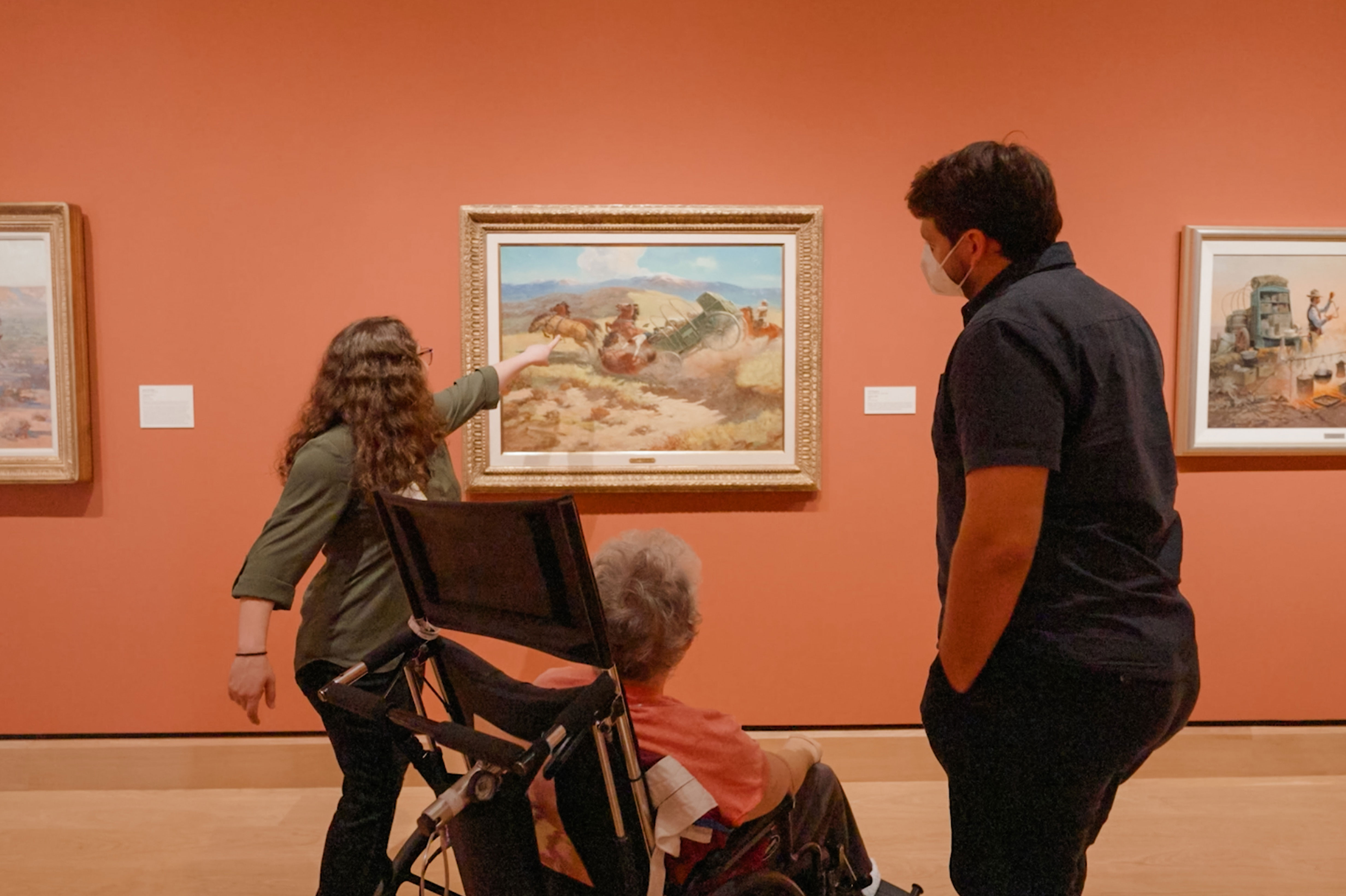
The James Museum in St. Pete offers Sensory-Friendly Mornings before opening (sometimes with miniature therapy horses on hand) along with sensory kits and a designated Quiet Zone. But the museum’s most surprising work sits a little further from the sensory conversation. Beyond Sight is a multisensory, touch-based tour built for blind and low-vision visitors, while Art in Mind is designed specifically for visitors living with dementia and their caregivers. The building is fully wheelchair-accessible, with spare chairs available at the front desk.

Watching a movie can be a struggle for those who find stillness itself challenging. Luckily, AMC theaters across several locations, including AMC The Regency 20 and AMC Riverview 14, host Sensory Friendly Films where the lights stay up, the sound comes down, and nobody minds if you need to move around or make noise. Screenings typically run on select Saturdays for family titles and select weeknights for mature-audience showings.
St. Pete’s indie Green Light Cinema takes a different tack with Craft Club Cinema, a monthly, ADHD-friendly series built for restless viewers. With the volume down and lights up, the theater hands out lap desks and task lights so audiences can knit, sketch, or color through the film. Launched in 2026 as part of Creative Pinellas’ Creative Wellbeing initiative, it runs alongside partners The Common Thread Yarn Shop & Café.
For the adventurous, Hillsborough County now maintains ADA-accessible canoe and kayak launches at four of its parks: Baker Creek Boat Ramp, E.G. Simmons Park, the Trout Creek site at Wilderness Park, and Upper Tampa Bay Park. Each uses a floating-dock system with a roll-up ramp and a cradle that holds the boat level with the dock, so a paddler with limited mobility can transfer in and lower to the water without having to stand or balance. The county’s conservation staff confirm more sites will be added as parks are updated.
The launches aren’t the county’s only outdoor offering. Hillsborough runs a fuller slate of adaptive recreation—a Special Olympics program with cornhole and pickleball, seasonal youth sports with para-programming, and more, all listed at hcfl.gov/adaptive. Some of it is seasonal and some requires signing up in advance, but it’s a standing door into the kind of active, outdoor life that too often gets treated as off-limits.
None of this came together by accident.

Tampa City Councilman Luis Viera has been a staunch advocate for Tampeños with disabilities since he first came to the dais, and Tampa really leaned into becoming an autism-friendly city in 2017, when then-Mayor Bob Buckhorn launched the Autism Friendly Tampa initiative with CARD-USF—an effort that trained more than 1,000 city employees in its first year. Viera will undoubtedly take those values with him to Tallahassee after winning election to the state house this month.
Through CARD, any business across the 14 counties it serves can be trained and designated autism-friendly at no cost, which is how much of the Bay’s patchwork of sensory-aware venues quietly came to exist.
“It wasn’t just that we’re counting that we’re autism friendly,” says Pancho, “but we actually have a collaborative partnership with them.”
The physical-access side has grown the same way, piecemeal and often unannounced. Getting the word out to the people who could use them remains the greatest challenge, regardless of the accommodation.
The fix isn’t more amenities, though those would help; it’s making the ones that already exist findable. CARD-USF’s Autism Friendly directory and Visit Tampa Bay’s sensory and accessible travel pages are the closest things to a public map of available amenities. Until the word travels further, it’s all here—scattered across quiet rooms and shorelines most people walk right past, waiting to be found by accident.
“So many times when we’re hosting a sensory relief zone at an event,” Pancho says, “we’ll have parents, family members, people in the social work field, educators, who will stop by and be like, ‘Oh my goodness, I wish we would have known.’”
Pitch in to help make the Tampa Bay Journalism Project a success.
Subscribe to Creative Loafing newsletters.
Follow us: Google News | NewsBreak | Reddit | Instagram | Facebook | BlueSky
This article appears in Nov. 19 – 25, 2026.