

Today in rock history: on this date in 1992, pioneering industrial act Ministry released its fifth album, Psalm 69: The Way to Succeed and the Way to Suck Eggs. The album found the band experimenting with a harder edged sound that appealed as much to metal fans as it did to hardcore industrial/alternative fans and it found a whole new audience for the once underground Chicago outfit. Featuring the singles “Just One Fix," “N.W.O” and “Jesus Built My Hotrod” featuring vocals by Butthole Surfers frontman, Gibby Haynes, the album cracked the U.S. Billboard Top 30 pop charts and went on to achieve platinum sales status by selling in excess of one millions copies in the United States alone.
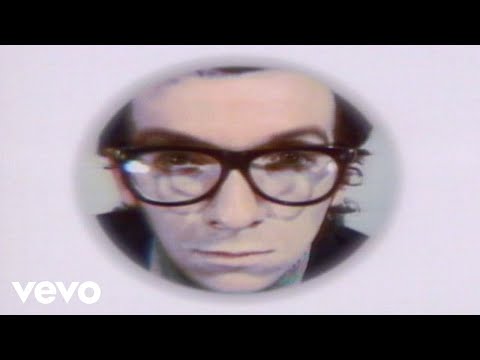
Today in rock history: on this date in 1977, Elvis Costello and the Attractions made its live debut. The up-and-coming band was featured as the opening act for downtown New York City punk rock band Wayne County and the Electric Chairs at a venue called The Garden located in Penzance, Cornwall, England.
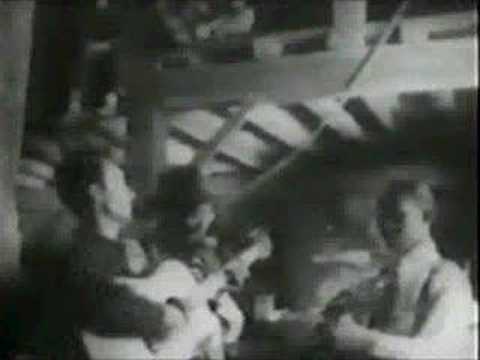
Born on this date in 1912 in Okemah, Oklahoma: Woodrow Wilson Guthrie, better known simply as Woody Guthrie, American folk music hero and legend. A huge influence on the rise of folk music and an outspoken songwriter who was largely regarded as the inspiration for protest music, Guthrie was a huge influence on artists like Bob Dylan, Bruce Springsteen, Joe Strummer, Jerry Garcia, Billy Bragg, John Mellencamp and Jeff Tweedy. Guthrie was known for playing an acoustic guitar with the phrase “This Machine Kills Fascists” emblazoned on it. Guthrie died at the age of 55 in 1967 but the body of music he left behind, most notably his most famous composition, “This Land Is Your Land," will continue to inspire and influence songwriters and musicians for years to come.

Today in rock history: on this date in 1958, a Liverpool band by the name of The Quarrymen featuring the nucleus of what would become The Beatles (Paul McCartney, John Lennon and George Harrison) along with band members pianist Duff Lowe and drummer Colin Hanton recorded two songs: a version of Buddy Holly’s “That’ll Be The Day” and an original composition called “In Spite Of All Danger," each in one take. With the names of the tunes and the song's writers handwritten on the label, each band member was to keep the 10-inch 78 rpm disc on which the songs were pressed for a week before passing it on. Incidentally, Paul McCartney spotlighted this early rarity at his recent Amalie Arena concert when he included “In Spite Of All Danger” within the show’s length set list. Read our review of the show here.
This article appears in Jul 13-20, 2017.