

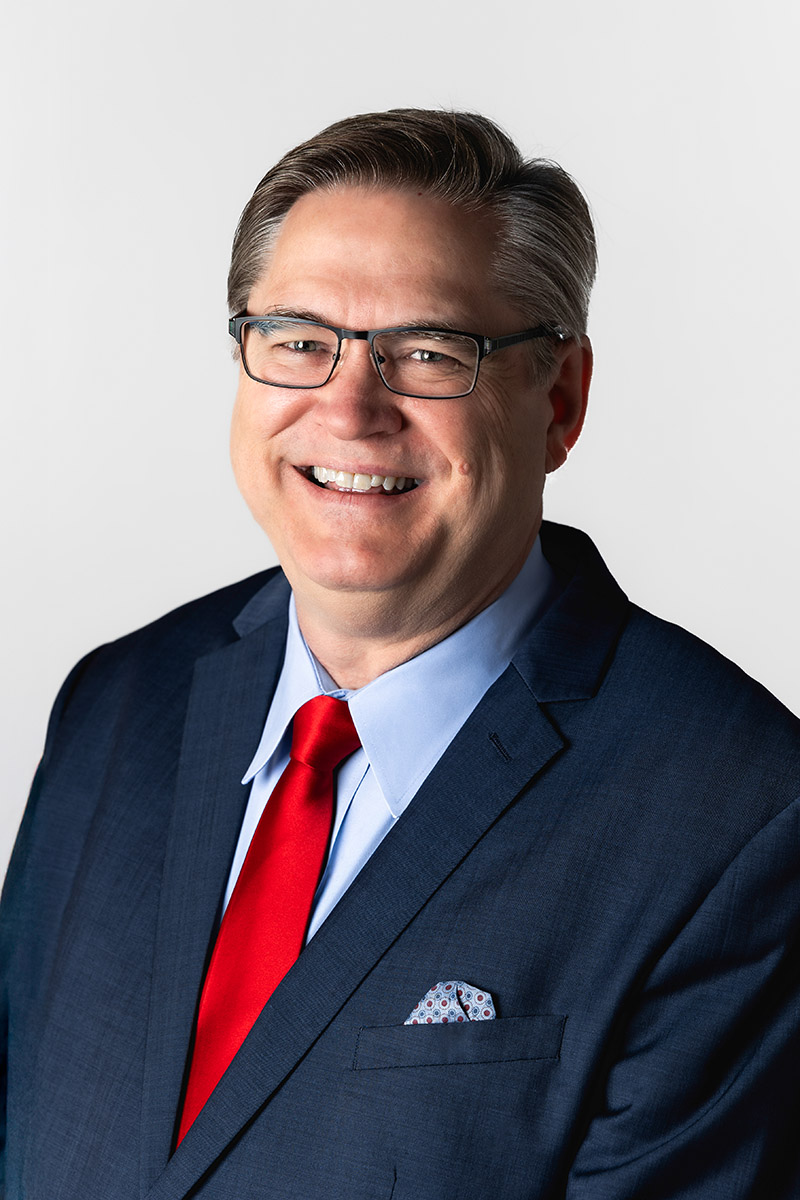
Kevin Batdorf, real estate broker and former president of the Shore Acres Civic Association, has seen his neighborhood—which is the lowest-lying in St. Pete—struck with storm surge and flooding by the 2024 hurricanes.
And while Mayor Welch claims the city took long to recover due to unprecedented damage, Batdorf said that statement is “baloney.”
“That’s where we needed true leadership, and we didn’t have it,” Batdorf told Creative Loafing Tampa Bay.
The 64-year-old mayoral candidate said he filed “out of necessity” and highly disapproves of the city’s leadership as it stands.
“I just don’t see a path forward with the current administration,” Batdorf said. “It’s just been one mistake after another. It’s put us in a position of desperation for infrastructure, and there’s no transparency. It’s become a situation where I was compelled to provide my expertise to the public.”
Batdorf said he believes his extensive volunteer background and neighborhood association presidency gave him that leg up in understanding the city and what it needs.
Batdorf also mentioned that his campaign—which will be grassroots and independent of any PAC money—fits the nonpartisan race, as he’s someone who is “fiscally conservative” but “socially liberal.”
“People listen to what I have to say,” Batdorf said. “They like what I say and do. They ask me to be a leader. It’s not something that I aspired to do. It’s just something that naturally comes to me, and I’m compelled to be the driving force for whatever needs to be done.”
And for Batdorf, storm resilience is at the top of his to-do list. One of his biggest grievances with Mayor Welch’s post-storm efforts in 2024 was how long permitting processes took, on top of inefficient debris removal, which he said was assigned to the wrong department to begin with.
Batdorf claimed those piles—which residents called “Welch piles”—brought on rat infestations and even caused health problems for children, according to a doctor in the neighborhood.
Batdorf said that while Welch is proud of his 90-day recovery effort, he believes he would’ve gotten it done in 30. But that’s not the only thing he wants to improve.
Batdorf told CL that he wants to “revamp” the city’s departments to “function more efficiently and cohesively.” According to Batdorf, residents voiced concerns about poor management and lack of direction—and he said he’d solve that insider problem immediately.
Along with storm resilience and departmental improvements, Batdorf said he’d make sure the proposals of the city and state are more in sync with each other.
For one, he found it frustrating that Mayor Welch’s SPAR referendum—which proposed that voters agree to borrowing $600 million for infrastructural repairs—”conflicted” with Gov. Ron DeSantis’ referendums to reduce or eliminate property taxes on homestead properties.
“What do you think the voters are going to do?” Batdorf said. “You know, there are several things happening in the city that, if you put them all together, you can make work. But if you look at them separately and individually—they become their own nightmare.”
Like fellow candidates Brandi Gabbard and Jim Large, Batdorf also said he’d hold still on redevelopment plans for the Gas Plant District.
“The plans that are on the table right now won’t adequately benefit the entire city of St. Petersburg,” Batdorf told CL. “So, we need to slow that process down.”
Batdorf said he’d conduct a study to see what “economic benefit” the city gains from developers’ proposals, and better solutions for the land could include selling each parcel individually to bring in money for infrastructure.
Batdorf claims he’d also lean on “smart development,” which he defines as builders disclosing a property’s current infrastructure and establishing realistic impact fees for properties based on that
Batdorf said that in response to concerns of gentrification, the city’s art scene “kind of takes care of itself,” and structural improvements and inhabitable buildings for residents is important—even when talking about historical sites.
“People are going to say the buildings have historical significance,” Batdorf said. “But the housing stock is substandard. Why would you want to keep that? Why wouldn’t you want to improve and increase the quality of living?”
Though he aims for that, Batdorf said he doesn’t count out integrating the arts in new development.
He recalled a trip to Dubai, where he claimed he spoke to the crown prince’s real estate development team and admired that the team required art structures and designs to be included in its planning. He said he’d advocate for that as mayor when new proposals roll in.
Batdorf also said he wants to tackle the city’s crime problem as well. While he’s a “law-and-order kind of guy,” he wants to establish reform programs for residents committing crimes in the city, to help them turn away from a “path” he said often starts with misdemeanors and can grow into worse offenses.
Pitch in to help make the Tampa Bay Journalism Project a success.
Subscribe to Creative Loafing newsletters.
Follow us: Google News | NewsBreak | Reddit | Instagram | Facebook | BlueSky
This article appears in Mar. 26 – Apr. 1.