


Today in rock history: On this date in 1976, Bob Dylan topped Billboard’s pop albums chart with his 17th album, Desire, which held the no. 1 spot for five straight weeks. The album wound up being one of the best-selling and most successful of Dylan’s entire career. Often cited as one of Dylan’s most ambitious efforts, Desire gained momentum thanks to its controversial lead single — the eight-minute epic “Hurricane” — which addressed the mistreatment and arrest of one-time boxing hopeful Rubin “Hurricane” Carter, who was framed for crimes he never committed. Released between the two legs of Dylan’s landmark tour, The Rolling Thunder Revue, Desire also featured guest artists like Emmylou Harris, Ronee Blakley and Eric Clapton.
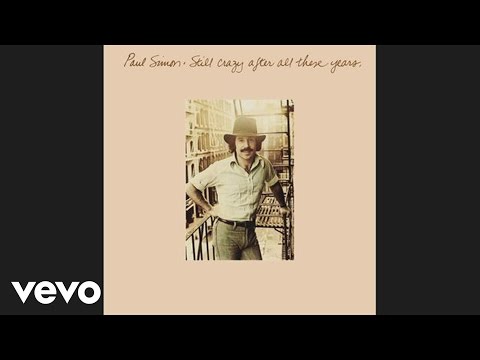
Today in rock history: On this date in 1976, Paul Simon scored the lone no. 1 single of his solo career with “50 Ways to Leave Your Lover.” Released from his classic, fourth studio album, Still Crazy After All These Years, the song’s inspiration came from Simon’s recent divorce. Featuring backing vocals by singers Patti Austin and Phoebe Snow, the single held the top spot on Billboard’s sales chart for three straight weeks and enjoyed similar success in Canada where it was also a no. 1.

Today in rock history: On this date in 1970, “Venus” — a psych-pop single from Dutch pop group Shocking Blue — was no. 1 spot on Billboard’s pop singles chart. The song topped charts in nine countries around the globe, and Shocking Blue’s breakout single achieved similar success in 1986 when British female pop trio Bananarama released its cover of “Venus.” Shocking Blue sadly disbanded in 1974, but it will always be remembered for this classic song that’s been sampled and featured in motion picture soundtracks countless times. On a side note, one of Shocking Blue’s other singles, “Love Buzz” was covered by Nirvana, which used its cover as a debut single.
Today in rock history: On this date in 1966, Crawdaddy — which is widely recognized as the first magazine dedicated solely to rock and roll — debuted. Founded by Swarthmore College student Paul Williams, Crawdaddy got its start in Pennsylvania and eventually moved to New York City. Preceding Rolling Stone and Creem as the groundbreaking publication that took rock and roll seriously, Crawdaddy existed until its last issue was published in 1979. Renowned for providing a start for many writers who’d eventually become renown rock journalists, Crawdaddy was the first publication to ever pay accolades to Bruce Springsteen when The Boss was virtually unknown outside of the northeast region of the country. Made up of album reviews, film reviews and feature articles on a variety of musicians, Crawdaddy set the standard for many other rock magazines that would follow in its footsteps.
This article appears in Feb 7-14, 2019.